تم النشر بواسطة:

براتيك أهوجا
هل أعجبك هذا المقال؟
أظهر قطاع العقارات في دبي باستمرار أن تطوير البنية التحتية وارتفاع قيمة العقارات يسيران معاً جنباً إلى جنب. فمن توسعات المترو وتحديثات الطرق السريعة إلى المخططات الحضرية الكبرى واسعة النطاق، لعبت البنية التحتية تاريخياً دوراً رئيسياً في تشكيل الأماكن التي يعيش فيها الناس ويعملون ويستثمرون بها.
واليوم، تدخل دبي مرحلة رئيسية أخرى من النمو القائم على البنية التحتية. وتعمل مشاريع مثل الخط الأزرق لمترو دبي، وقطار الاتحاد، وتوسعات شبكة الطرق، ومخطط دبي الحضري 2040 على إعادة تشكيل الطلب عبر الممرات السكنية والتجارية في جميع أنحاء الإمارة.
بالنسبة للمستثمرين، فإن هذا الأمر يكتسب أهمية بالغة لأن المجمعات المتصلة بالمترو والمرتبطة بالبنية التحتية في دبي أظهرت تاريخياً ارتفاعاً أقوى في قيمها على المدى الطويل، ومرونة أكبر في الإيجارات، وطلباً متزايداً من المستثمرين مقارنة بالمناطق الأقل اتصالاً.
وتتضمن استراتيجية دبي الحضرية طويلة المدى أيضاً إنفاقاً على البنية التحتية في دبي يتجاوز 175 مليار درهم يستهدف مبادرات النقل، والاستدامة، والتنقل، والتنمية الحضرية تماشياً مع مخطط دبي الحضري 2040. (المصدر: مخطط دبي الحضري 2040)
ومع استمرار دبي في الاستثمار بكثافة في البنية التحتية الجاهزة للمستقبل، يركز المشترون بشكل متزايد على المجمعات المهيأة للاستفادة من الاتصال والنمو الاقتصادي على المدى الطويل. ومع بريبكو Blocks، يمكنك الاستثمار في هذه المناطق بدءاً من 500 درهم فقط.
لماذا كان للبنية التحتية تأثير قوي على أسعار العقارات في دبي؟
تعمل البنية التحتية بشكل مباشر على تحسين إمكانية الوصول والراحة وجودة الحياة. وعندما تتحسن خدمات النقل، تصبح المجمعات المجاورة بطبيعة الحال أكثر جاذبية لكل من السكان والشركات.
وفي دبي، تدعم البنية التحتية أيضاً التوسع الاقتصادي الأوسع نطاقاً من خلال تمكين:
النمو السكاني
التنمية السياحية
النشاط التجاري
التوسع اللوجستي
التنقل الحضري
تجاوز عدد سكان دبي 3.8 مليون نسمة في عام 2025، مما يواصل دعم الطلب طويل الأجل على الإسكان عبر المجمعات السكنية القائمة والناشئة على حد سواء. (المصدر: مركز دبي للإحصاء)
كما استقبلت دبي عدداً قياسياً بلغ 18.72 مليون زائر دولي لليلة واحدة في عام 2024، مما يعزز الطلب على المشاريع السكنية والضيافة والمشاريع متعددة الاستخدامات في جميع أنحاء الإمارة. (المصدر: دائرة الاقتصاد والسياحة بدبي)
يخلق هذا علاقة مباشرة بين تأثير البنية التحتية على اتجاهات العقارات في دبي والطلب طويل الأجل على العقارات.
تحسين الاتصال يزيد الطلب السكني
تستقطب العقارات الواقعة بالقرب من محطات المترو ومحطات النقل والطرق السريعة الرئيسية عادةً اهتماماً أقوى من المشترين والمستأجرين لأنها تقلل من أوقات التنقل وتحسن الحركة.
ونتيجة لذلك، غالباً ما تستفيد المناطق ذات الاتصال القوي من:
معدلات إشغال أعلى
مرونة أفضل في الإيجارات
زيادة في نشاط المعاملات
طلب أقوى على إعادة البيع
هذا هو أحد الأسباب التي جعلت أسعار عقارات مترو دبي تظهر تاريخياً أداءً أقوى مقارنة بالمجمعات الأقل اتصالاً.
ووفقاً لاتجاهات معاملات دائرة الأراضي والأملاك في دبي، تصنف المجمعات المتصلة بالمترو باستمرار ضمن أكثر مناطق الاستثمار السكني نشاطاً في المدينة بسبب سهولة الوصول إليها وتواصل طلب المستأجرين.
البنية التحتية تجذب النشاط التجاري
تؤدي مشاريع البنية التحتية الكبرى عادةً إلى إطلاق عجلة تنمية اقتصادية أوسع نطاقاً.
وغالباً ما تجذب ممرات النقل الجديدة:
المشاريع المكتبية
المراكز التجارية
الفنادق
المراكز اللوجستية
المناطق الترفيهية
المجمعات متعددة الاستخدامات
وقد ظل الطلب على المساحات التجارية في مناطق الأعمال الرئيسية مثل مركز دبي المالي العالمي والخليج التجاري قوياً، مما يدعم الطلب السكني المحيط في المجمعات المتصلة بالمترو. (المصدر: تقارير سوق الإمارات العربية المتحدة الصادرة عن سي بي آر إي / جي إل إل)
ومع توسع النشاط التجاري، يزداد الطلب السكني المحيط أيضاً، مما يدعم كلاً من ارتفاع رأس المال ونمو الإيجارات.
البنية التحتية لأسلوب الحياة تحسن جاذبية المجمع
تتجاوز البنية التحتية الحديثة في دبي الطرق ووسائل النقل العام.
وتشمل المشاريع الكبرى بشكل متزايد:
المنتزهات
الواجهات المائية
مسارات الدراجات الهوائية
المدارس
المرافق الصحية
المساحات الخضراء
ميزات المدن الذكية
تعمل هذه الإضافات على تحسين مستويات المعيشة بشكل عام، مما يجعل المجمعات المجاورة أكثر جاذبية للسكان والمستثمرين على المدى الطويل.
المستثمرون يسعرون النمو قبل اكتمال المشاريع
أحد أهم جوانب الاستثمار القائم على البنية التحتية هو أن أسعار العقارات غالباً ما تبدأ في الارتفاع قبل اكتمال المشاريع بالكامل.
وكثيراً ما يدخل المستثمرون الممرات الناشئة مبكراً لأنهم يتوقعون:
نمو الطلب في المستقبل
تحسين إمكانية الوصول
ارتفاع الإيجارات
ارتفاع القيمة على المدى الطويل
يخلق هذا فرصاً للمشترين الذين يحددون مناطق النمو المرتبطة بالبنية التحتية قبل تعديل الأسعار بالكامل.
رؤية البنية التحتية لدبي بموجب مخطط دبي الحضري 2040
تتمحور استراتيجية النمو طويلة المدى في دبي حول التطوير الحضري واسع النطاق والاستثمار في التنقل.
بموجب مخطط دبي الحضري 2040، تهدف الإمارة إلى إنشاء مدينة أكثر اتصالاً واستدامة وجاهزية للمستقبل وقادرة على دعم النمو السكاني والاقتصادي على المدى الطويل.
وتشمل الأولويات الرئيسية:
توسيع نطاق الوصول إلى وسائل النقل العام
مضاعفة المساحات الخضراء والترفيهية
تطوير خمسة مراكز حضرية رئيسية
تحسين التنقل المستدام
زيادة إمكانية التنقل مشياً على الأقدام
دعم التنوع الاقتصادي
ويهدف المخطط أيضاً إلى أن يعيش 55% من سكان دبي في نطاق 800 متر من محطات النقل العام الرئيسية بحلول عام 2040. (المصدر: مخطط دبي الحضري 2040)
بالنسبة للمستثمرين العقاريين، توفر هذه المبادرات رؤية مهمة حول المناطق التي قد تشهد طلباً وارتفاعاً أقوى في الأسعار في المستقبل.
كيف تؤثر مشاريع مترو دبي على أسعار العقارات؟
لطالما كان مترو دبي تاريخياً أحد أقوى محركات ارتفاع قيمة العقارات في جميع أنحاء المدينة.
وغالباً ما تتمتع المجمعات المتصلة بالبنية التحتية للمترو بقيم عقارية أعلى لأن سهولة الوصول تظل أحد أهم العوامل لكل من المستأجرين وأصحاب المنازل.
وقد أظهرت العديد من المناطق القائمة المتصلة بالمترو باستمرار طلباً أقوى.
المجمع | الاتصال بالمترو | متوسط نطاق أسعار الشقق | متوسط نطاق عوائد الإيجار |
دبي مارينا | الخط الأحمر + الترام | 1.4 مليون – أكثر من 4 ملايين درهم | 5–7% |
أبراج بحيرات جميرا | الخط الأحمر | 850 ألف – 3 ملايين درهم | 6–8% |
الخليج التجاري | الخط الأحمر | 1.1 مليون – أكثر من 5 ملايين درهم | 5–7% |
وسط مدينة دبي | الخط الأحمر | 1.8 مليون – أكثر من 10 ملايين درهم | 4–6% |
الفرجان | مسار 2020 | 900 ألف – 3.5 مليون درهم | 6–8% |
ديسكفري جاردنز | مسار 2020 | 500 ألف – 1.5 مليون درهم | 7–9% |
(المصدر: نشاط المعاملات في دائرة الأراضي والأملاك في دبي، وملاحظات سوق بروبرتي مونيتور، وتقارير سوق العقارات السكنية في الإمارات الصادرة عن سي بي آر إي).
تستمر العلاقة بين أسعار عقارات مترو دبي وسهولة الوصول إلى وسائل النقل في التأثير على سلوك المستثمرين اليوم.
وتظهر التقارير القطاعية الصادرة عن سي بي آر إي وفاليواسترات مرونة إيجارية أقوى في المجمعات المتصلة بشكل جيد بالبنية التحتية لوسائل النقل القائمة.
مسار 2020 أثبت كيف يدفع تطوير البنية التحتية ارتفاع الأسعار
على الرغم من أن المشاريع الأحدث تجذب انتباه المستثمرين حالياً، إلا أن مسار 2020 يظل أحد أوضح الأمثلة في دبي على نمو العقارات القائم على البنية التحتية.
وقد أدى تمديد المترو إلى تحسين إمكانية الوصول بشكل كبير عبر:
الفرجان
ديسكفري جاردنز
دبي الجنوب
وقبل مسار 2020، كانت العديد من هذه المجمعات تُعتبر مناطق نمو على المدى الأطول. ومع ذلك، بمجرد تحسن الاتصال بالمترو، زادت أحجام المعاملات وطلب المستثمرين بشكل كبير.
وقد شهدت منطقة الفرجان، على وجه الخصوص، نشاطاً أقوى في المعاملات وطلباً مستداماً من المستخدمين النهائيين في أعقاب تحسينات الاتصال بمسار 2020. وتواصل المنطقة أيضاً تسجيل بعض من أقوى نطاقات عوائد الإيجار بين الممرات السكنية المتصلة بالمترو في دبي. (المصدر: بروبرتي مونيتور)
وأثبت هذا المشروع كيف يمكن للبنية التحتية لوسائل النقل أن تحول بسرعة المجمعات الناشئة إلى ممرات استثمار سكني عالية النشاط.
وقد شهدت العديد من المناطق المتصلة بمسار 2020 زيادات كبيرة في:
الطلب على الإيجار
نشاط المستثمرين
معدلات الإشغال
اهتمام المستخدمين النهائيين بالعقارات
وبالنسبة للمستثمرين الذين يقيمون الفرص الحالية، يعد مسار 2020 بمثابة معيار قوي لكيفية تأثير توسعات النقل المستقبلية على مناطق النمو القادمة.
الخط الأزرق لمترو دبي وممرات الاستثمار المستقبلية
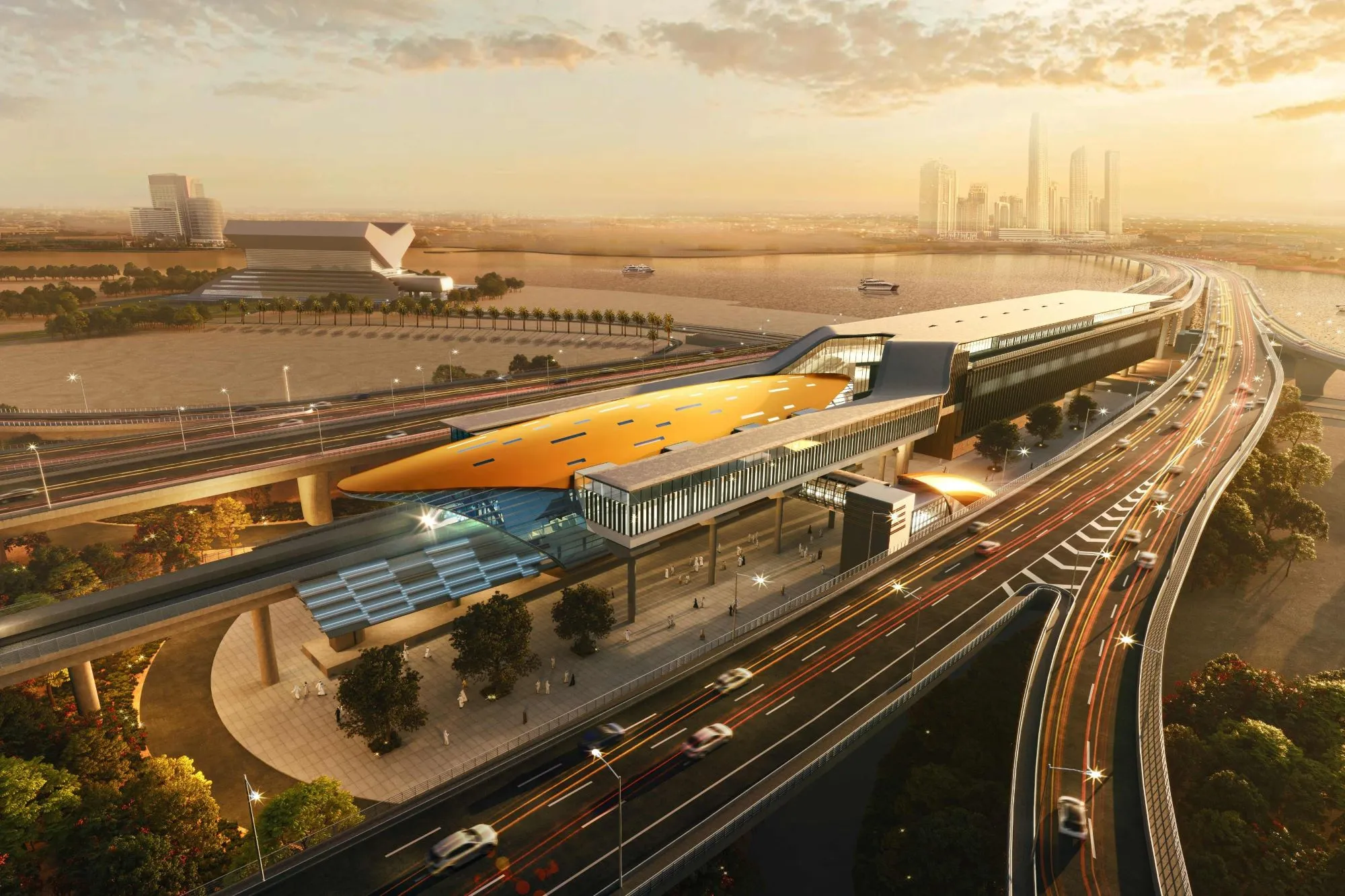
أحد أهم إعلانات البنية التحتية التي تشكل السوق حالياً هو الخط الأزرق لمترو دبي.
وفقاً لإعلانات المكتب الإعلامي لحكومة دبي وهيئة الطرق والمواصلات، من المتوقع افتتاح الخط الأزرق لمترو دبي في سبتمبر 2029 وسيضم 14 محطة عبر شبكة بطول 30 كيلومتراً تربط بين المناطق السكنية والأكاديمية والتجارية الرئيسية في دبي. (المصدر: المكتب الإعلامي لحكومة دبي).
وقد تم تصميم المشروع لدعم استراتيجية النمو السكاني طويلة المدى في دبي مع التكامل مع خطي المترو الأحمر والأخضر الحاليين.
ومن المتوقع أن يعزز الخط الأزرق الاتصال عبر العديد من الممرات السكنية والتجارية الناشئة، بما في ذلك:
خور دبي
واحة دبي للسيليكون
المدينة العالمية
المدينة الأكاديمية
رأس الخور
مردف
الورقاء
يتوقع محللو العقارات بشكل متزايد أن تشهد هذه المجمعات طلباً أقوى من المستثمرين مع تحسن وسائل النقل خلال السنوات القادمة.
وتاريخياً، تفوقت أسعار عقارات دبي القريبة من المترو على المجمعات الأقل اتصالاً لأن سهولة الوصول تظل محركاً طويل الأجل للقيمة.
قطار الاتحاد وتأثيره المستقبلي على العقارات
مشروع رئيسي آخر من المتوقع أن يؤثر على سوق العقارات في الإمارات وهو قطار الاتحاد.
ستمتد شبكة السكك الحديدية الوطنية لقطار الاتحاد لمسافة تقارب 900 كيلومتر عبر دولة الإمارات، لتربط الممرات اللوجستية والصناعية والتجارية والسكنية الكبرى. (المصدر: قطار الاتحاد)
وقد يصبح تأثير قطار الاتحاد على العقارات مهماً بشكل خاص في:
دبي الجنوب
جبل علي
الممرات اللوجستية
المناطق الصناعية
المجمعات السكنية الناشئة في الضواحي
على الصعيد العالمي، ساهمت البنية التحتية المرتبطة بالسكك الحديدية تاريخياً في:
قيم أراضٍ أعلى
زيادة النشاط التجاري
طلب أقوى على الإيجار
توسع حضري أسرع
ومع تقدم مشروع قطار الاتحاد، يراقب المستثمرون عن كثب المجمعات السكنية الواقعة بالقرب من مراكز النقل والخدمات اللوجستية المستقبلية.
لماذا تتفوق المناطق القريبة من محطات المترو في الأداء؟
تستمر العقارات الواقعة بالقرب من محطات المترو في جذب طلب قوي لأن سهولة الوصول لوسائل النقل تؤثر مباشرة على الراحة والطلب على الإيجار.
ويعطي المستأجرون اليوم الأولوية بشكل متزايد لـ:
أوقات تنقل أقصر
إمكانية الوصول لوسائل النقل العام
إمكانية التنقل مشياً على الأقدام
المتاجر القريبة
الاتصال بقطاعات الأعمال
ونتيجة لذلك، غالباً ما تحقق أسعار العقارات القريبة من مترو دبي ما يلي:
نسب إشغال أعلى
حفاظ أفضل على المستأجرين
نشاط تأجير أسرع
ارتفاع أقوى في القيمة على المدى الطويل
بالنسبة للمستثمرين في العقارات بغرض التأجير، أصبح القرب من البنية التحتية لوسائل النقل أحد أقوى المؤشرات على الأداء المستدام للإيجارات.
كيف يحدد المستثمرون الفرص القائمة على البنية التحتية؟
غالباً ما يتعلق الاستثمار الناجح في البنية التحتية بالتوقيت المناسب.
وتاريخياً، شهدت العديد من المجمعات السكنية الأفضل أداءً في دبي ارتفاعاً قبل اكتمال مشاريع البنية التحتية بالكامل.
وعادة ما يراقب المستثمرون عدة مؤشرات عند تقييم الفرص المرتبطة بالبنية التحتية.
إعلانات البنية التحتية الحكومية
غالباً ما تشير خطط النقل والتنمية الحضرية الرسمية مبكراً إلى نمو الطلب في المستقبل.
تحسينات الاتصال
عادة ما تؤدي خطوط المترو والطرق السريعة ومشاريع السكك الحديدية الجديدة إلى زيادة الطلب على العقارات المجاورة.
نشاط التطوير التجاري
غالباً ما تجذب البنية التحتية المكاتب والمراكز التجارية ومشاريع الضيافة التي تدعم النمو السكني.
القدرة على تحمل التكاليف النسبية
غالباً ما توفر ممرات البنية التحتية الناشئة أسعار دخول أقل مقارنة بالمناطق الناضجة، مما يخلق إمكانات صعودية أقوى.
فرص التمويل في ممرات النمو
تلعب إمكانية الحصول على التمويل دوراً رئيسياً في مساعدة المستثمرين على دخول المجمعات عالية النمو مبكراً.
ومع تقدم مشاريع البنية التحتية ونضوج المجمعات السكنية، غالباً ما تصبح البنوك أكثر ارتياحاً لتمويل العقارات في تلك المناطق.
يخلق هذا فرصاً للمشترين الذين يبحثون عن:
ارتفاع القيمة على المدى التنافسي
دخل الإيجار
أسعار تمويل عقاري تنافسية
سيولة مستقبلية أفضل
ويمكن أن يساعد العمل مع أخصائيي التمويل العقاري المستثمرين في تقييم خيارات التمويل المتماشية مع استراتيجيات الاستثمار القائمة على البنية التحتية.
الملكية الجزئية والاستثمار في البنية التحتية
تصبح الفرص القائمة على البنية التحتية متاحة بشكل متزايد من خلال نماذج الملكية الجزئية. على سبيل المثال، يتيح بريبكو Blocks للمستثمرين الحصول على عوائد جزئية في المجمعات المرتبطة بالبنية التحتية بدءاً من 500 درهم فقط.
وبدلاً من شراء عقار كامل، يمكن للمستثمرين الآن الحصول على حصص في مجمعات سكنية مرتبطة بالبنية التحتية بمتطلبات رأسمالية أقل.
يتيح هذا للمشترين الاستثمار في:
المجمعات المتصلة بالمترو
الممرات عالية النمو
فرص دخل الإيجار
تنوع فريد لحصص العقارات
وبالنسبة للمستثمرين الجدد، توفر الملكية الجزئية إمكانية الاستفادة من نمو العقارات القائم على البنية التحتية في دبي دون الحاجة إلى رأس المال المطلوب لملكية العقار الكاملة.
أفكار نهائية
تستمر أسعار عقارات البنية التحتية في دبي في إثبات العلاقة القوية بين الاتصال بالشبكات وارتفاع قيم العقارات.
من مسار 2020 والخط الأزرق لمترو دبي إلى قطار الاتحاد ومخطط دبي الحضري 2040، تشكل استثمارات البنية التحتية الكبرى المواقع التي من المرجح أن ينشأ فيها الطلب المستقبلي.
وتاريخياً، أظهرت المجمعات السكنية المتصلة بمشاريع النقل والتنمية الحضرية باستمرار طلباً أقوى على المدى الطويل، ونشاطاً أكبر للمستثمرين، ومرونة سكنية مقارنة بالمناطق الأقل اتصالاً.
ومع استمرار دبي في الاستثمار بكثافة في مجال التنقل والاستدامة والتوسع الحضري، فإن المستثمرين الذين يحددون مبكراً ممرات النمو المرتبطة بالبنية التحتية قد يكونون في أفضل موقع للاستفادة من المرحلة التالية من نمو العقارات في المدينة. ومع بريبكو Blocks، يمكن للمستثمرين الوصول إلى الفرص في هذه المجمعات بدءاً من 500 درهم فقط.
الأسئلة الشائعة
كيف تؤثر مشاريع البنية التحتية في دبي على أسعار العقارات؟
تساعد مشاريع البنية التحتية على تحسين الاتصال وإمكانية الوصول وجاذبية المجمعات السكنية، مما يزيد من الطلب على العقارات السكنية والتجارية المجاورة. ويؤدي هذا في كثير من الأحيان إلى قيم عقارية أقوى وطلب أكبر على الإيجار على المدى الطويل.
ما هي مناطق دبي الأكثر استفادة من توسعات المترو؟
تاريخياً، شهدت المناطق المتصلة بالمترو مثل دبي مارينا، والخليج التجاري، وأبراج بحيرات جميرا، والفرجان، ودبي الجنوب طلباً وارتفاعاً أقوى في الأسعار. وقد تفيد المشاريع المستقبلية مثل الخط الأزرق لمترو دبي مجمعات مثل خور دبي وواحة دبي للسيليكون.
ما هو الخط الأزرق لمترو دبي؟
الخط الأزرق لمترو دبي هو مشروع توسعة مترو قادم مصمم لتحسين الاتصال عبر العديد من الممرات السكنية والتجارية في دبي مع التكامل مع شبكة النقل الأوسع في المدينة.
متى سيتم افتتاح الخط الأزرق لمترو دبي؟
وفقاً لإعلانات المكتب الإعلامي لحكومة دبي وهيئة الطرق والمواصلات، من المتوقع أن يبدأ تشغيل الخط الأزرق لمترو دبي في سبتمبر 2029 وسيضم 14 محطة عبر مسار بطول 30 كيلومتراً يربط بين العديد من المجمعات السكنية والتجارية الناشئة في دبي.
ما هو التأثير المتوقع لقطار الاتحاد على العقارات؟
من المتوقع أن يكون تأثير قطار الاتحاد على العقارات أقوى في الممرات اللوجستية ومناطق النمو في الضواحي والمجمعات السكنية المتصلة بمحطات النقل المستقبلية، لا سيما مناطق مثل دبي الجنوب وجبل علي.
ما هو مخطط دبي الحضري 2040؟
مخطط دبي الحضري 2040 هو استراتيجية التنمية الحضرية طويلة المدى لدبي التي تركز على الاستدامة، والتنقل، ووسائل النقل العام، والمساحات الخضراء، والمجمعات السكنية المتصلة متعددة الاستخدامات.